All Categories
Featured
Table of Contents
One such example is.DescriptionLab specializes in generating descriptions from item images. This streamlined approach streamlines the input procedure, especially for aesthetically driven items.
Consider your business size, the size of your item catalog, and your required level of personalization. Weighing these considerations thoroughly will assist you select a tool that aligns with your business objectives and contributes to your e-commerce success.
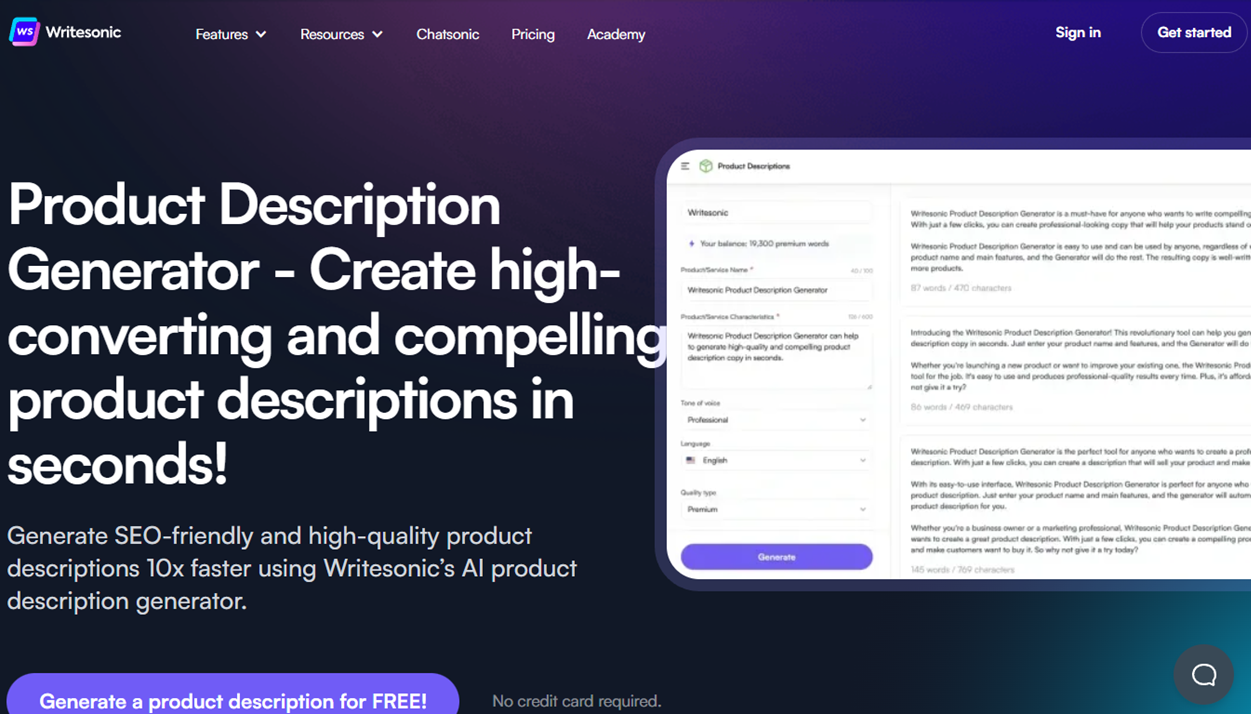
Generating efficient AI descriptions begins with well-structured product data. Offer your AI tool with detailed and precise information. Consider it like this: the much better the input, the much better the output. Consist of specifics like dimensions, products, and technical requirements. Highlight what sets your product apart. What makes it unique? Is it handmade, sustainably sourced, or made with innovative innovation? Plainly specify your ideal client.
By providing this fundamental info, you equip the AI with the tools it needs to develop accurate and appealing product descriptions. A consistent brand name voice is necessary for building acknowledgment and trust. Your can help you attain this consistency, however it needs clear instructions. Specify your desired tone. Should it be formal, informal, playful, or technical? Supply a list of pertinent keywords for SEO functions.
Strategic Geographic SEO Growth for 2026
If your company has a style guide, share the appropriate areas with your AI tool. Establishing these standards makes sure the AI generates content that aligns flawlessly with your brand identity, enhancing your general brand presence.
Various items need different techniques. Technical products, for instance, need exact and precise language. Luxury goods, on the other hand, gain from more evocative and detailed language. Regulations might likewise restrict phrasing in certain markets. Comprehending these nuances is crucial to efficiently utilizing your. By adapting your method based on the particular requirements of each product category, you guarantee optimal results and prevent common risks.
AI product description generators are no longer almost producing basic item descriptions. The field is rapidly advancing, pressing the limits of what's possible in e-commerce material creation. This development is driven by brand-new technologies and a deeper understanding of client habits, assuring a future where product descriptions are more personalized, vibrant, and engaging.
By evaluating browsing history, purchase patterns, and even real-time information like location and weather condition, AI can develop descriptions that resonate with each specific consumer. This targeted technique leads to higher conversion rates and fosters stronger consumer connections.
This responsiveness ensures descriptions stay appropriate and compelling, maximizing their effect on sales. If a product is low in stock, the description might highlight its scarcity to motivate immediate purchase. The future of item storytelling goes beyond just text. AI is progressively capable of creating, effortlessly blending text, images, and even videos.
Advanced Geographic SEO Growth for 2026
These visuals could showcase the product in various contexts and highlight its crucial features. This abundant, immersive experience captures client attention and supplies a more complete understanding of the product. As AI handles a higher role in content production, ethical factors to consider end up being progressively important. Questions of and require to be dealt with.
Modern E-Commerce Growth Strategies for 2026Different products require various techniques. Technical products, for example, demand accurate and accurate language. High-end items, on the other hand, take advantage of more evocative and detailed language. Regulations might also restrict wording in certain markets. Comprehending these subtleties is essential to efficiently using your. By adapting your strategy based on the particular requirements of each product category, you guarantee optimal results and prevent common risks.
AI item description generators are no longer simply about producing fundamental item descriptions. The field is quickly advancing, pushing the borders of what's possible in e-commerce content creation. This advancement is driven by brand-new technologies and a deeper understanding of consumer behavior, guaranteeing a future where item descriptions are more individualized, dynamic, and engaging.
is a key pattern in the future of AI-generated material. By evaluating browsing history, purchase patterns, and even real-time data like location and weather condition, AI can create descriptions that resonate with each specific shopper. This targeted approach results in greater conversion rates and fosters more powerful client connections. takes this idea an action further.
Advanced Geographic SEO Insights for 2026
This responsiveness makes sure descriptions remain pertinent and engaging, maximizing their effect on sales. If an item is low in stock, the description could highlight its scarcity to encourage instant purchase. The future of item storytelling exceeds simply text. AI is significantly capable of creating, seamlessly mixing text, images, and even videos.
Modern E-Commerce Growth Strategies for 2026These visuals might display the item in numerous contexts and highlight its essential functions. This abundant, immersive experience catches customer attention and supplies a more total understanding of the item. As AI takes on a higher function in content development, ethical factors to consider become increasingly important. Questions of and need to be resolved.
Different products require various techniques. Technical products, for example, demand precise and accurate language. Luxury goods, on the other hand, advantage from more evocative and detailed language. Regulations may also restrict phrasing in particular markets. Comprehending these nuances is crucial to successfully utilizing your. By adapting your strategy based upon the particular requirements of each product classification, you make sure optimal results and avoid typical pitfalls.
AI product description generators are no longer almost churning out basic product descriptions. The field is rapidly advancing, pushing the boundaries of what's possible in e-commerce content development. This evolution is driven by new innovations and a deeper understanding of consumer habits, assuring a future where product descriptions are more individualized, dynamic, and engaging.
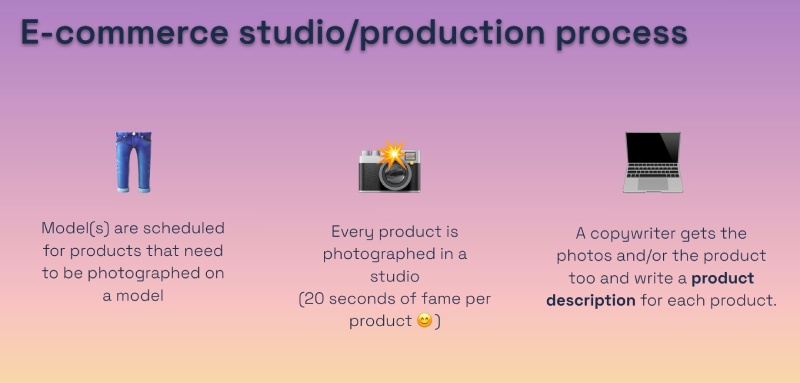
Automating Product Details Effectively
is a crucial pattern in the future of AI-generated material. By examining browsing history, purchase patterns, and even real-time information like place and weather, AI can create descriptions that resonate with each private buyer. This targeted method causes higher conversion rates and fosters stronger client connections. takes this idea a step even more.
If a product is low in stock, the description might highlight its scarcity to encourage immediate purchase. The future of item storytelling goes beyond simply text.
These visuals could display the item in various contexts and highlight its key functions. This abundant, immersive experience catches consumer attention and offers a more complete understanding of the product. As AI takes on a greater function in content development, ethical considerations become progressively essential. Questions of and require to be attended to.

Latest Posts
AI-Driven Blog Generation: Growing Search Traffic Effortlessly
Optimizing Advanced Programmatic Page Frameworks
How to Optimize Ecommerce Performance in the Future