All Categories
Featured
2 out of 5 adults use voice search at least when a day. With the rise of AI-powered assistants like Siri, Alexa, and Google Home, more consumers are turning to voice commands to browse, compare, and even purchase items. What began as a method to examine the weather or set pointers has evolved into a hands-free shopping tool.
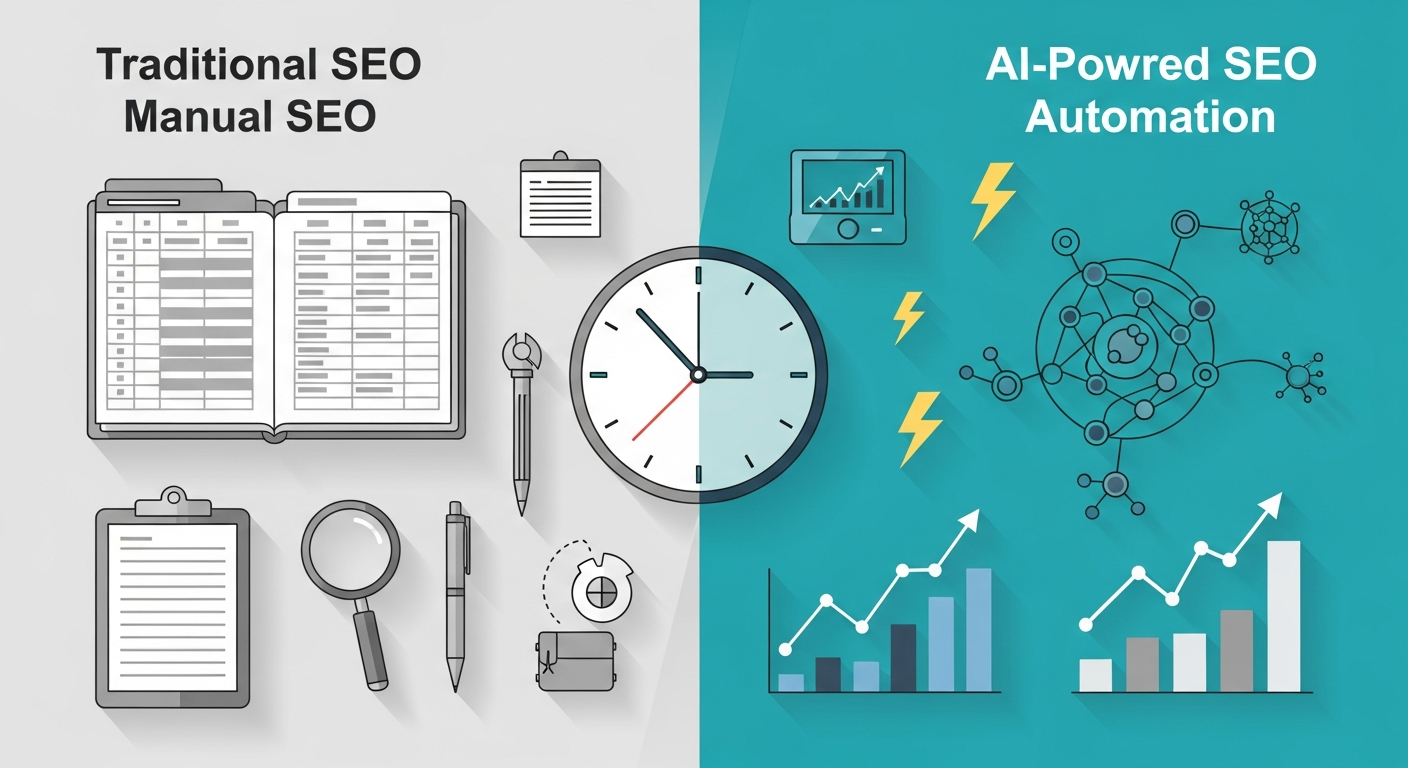
This benefit is specifically valuable for busy users or those seeking more accessible methods to shop online. Optimising your Shopify shop for voice search indicates delivering a smoother, more inclusive experience - and reaching an audience that chooses speaking over typing. It also assists you stay competitive as voice commerce continues to grow.
Including local SEO elements increases your chances of appearing in "near me" voice searches and attracting close-by buyers ready to buy. AI-driven tools are quickly becoming an important part of a smart Shopify SEO method.
That stated, AI needs to support your SEO efforts, not replace them. Your content still needs to be initial, brand-specific, and composed with your audience in mind. Google is getting much better at identifying generic, AI-generated content, and it tends to favour pages that offer genuine value and a human touch. Your SEO method still needs your voice, your insight, and a clear understanding of your customers.
How to Scale Ecommerce SEO in the FutureThe Ultimate 2026 Blueprint to Modern Store SEO
You can use AI to aid with keyword research study, create draft product descriptions or meta titles, or perhaps brainstorm article concepts. Make sure whatever is evaluated, fine-tuned, and aligned with your brand name voice and goals. There are likewise AI-powered Shopify apps that can automate things like alt text, product tagging, or image compression, all of which can enhance your website's SEO performance.
SEO isn't a set-and-forget task - particularly not on Shopify. Tools like Google Analytics and Google Browse Console are your go-tos for tracking traffic, identifying performance drops, and determining which pages are gaining traction.
It is necessary to consistently examine for things like damaged links, crawl mistakes, and outdated or underperforming pages. These little problems can silently chip away at your rankings if left unattended. Keep your keyword map up to date too - your product range may progress, and so ought to the keywords you're targeting.
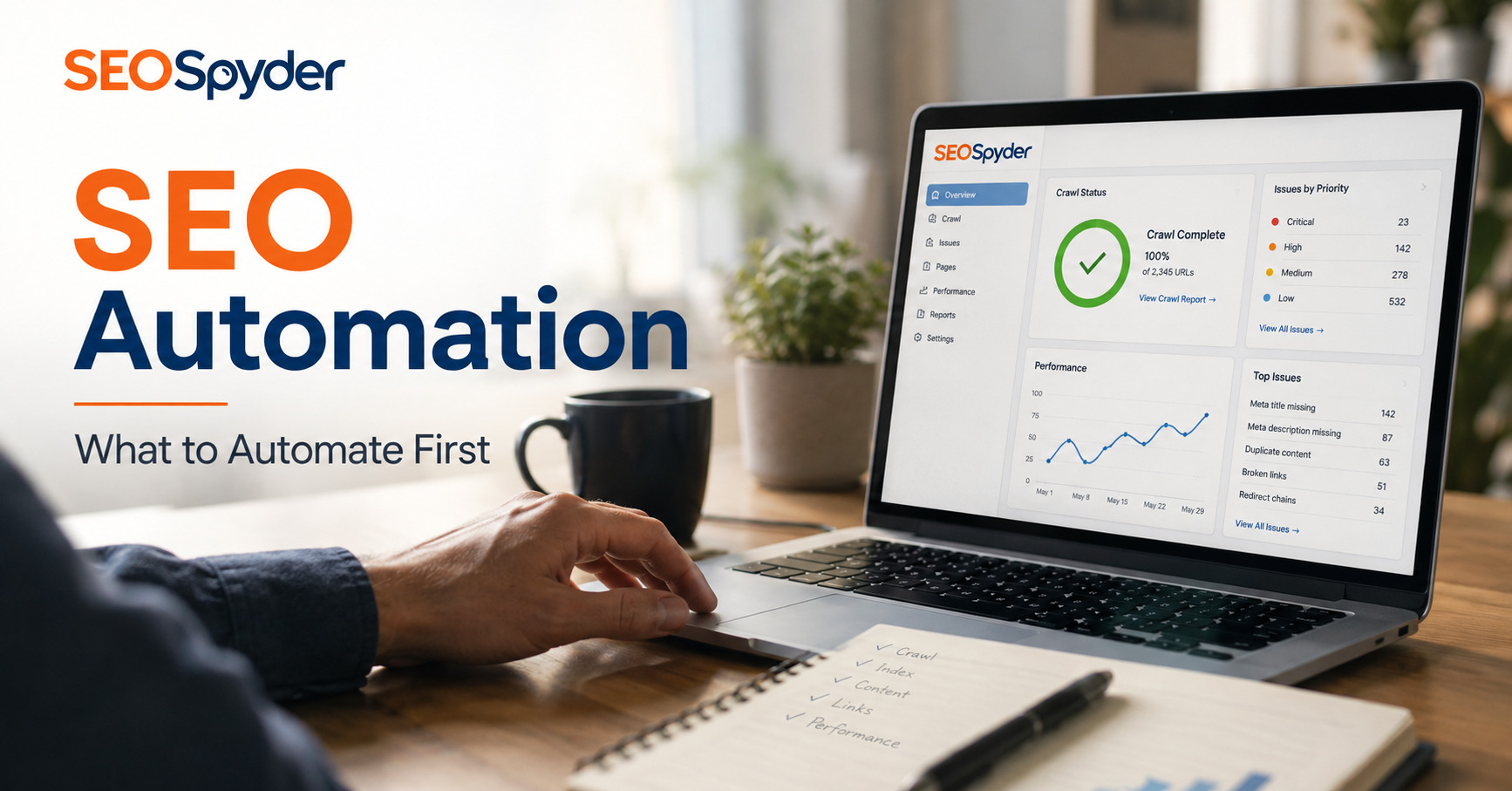
If you're aiming for long-lasting Shopify SEO success, remaining proactive is non-negotiable. The truth that you're here, diving deep into Shopify SEO best practices, reveals you're severe about driving real results.
- your future self (and your bottom line) will thank you.
The rules of online exposure have altered. Ranking your Shopify store on Google used to be the whole video game but not any longer. The future of Shopify SEO isn't practically ranking on Google anymore - it's about being acknowledged by AI. (Generative Engine Optimization) is the new frontier that assists your store appear inside AI-generated answers from.By structuring your information, constructing trust signals, and writing AI-readable material, you can make your Shopify brand discoverable not only in search outcomes, but likewise within the discussions where your consumers are currently requesting for suggestions.
This is where a brand-new method steps in: GEO (Generative Engine Optimization). While traditional SEO assists you appear in search outcomes, GEO makes certain your content reads, comprehended, and cited by AI.In this guide, you'll discover: How to enhance your Shopify store for both Google and AI-driven platforms The distinction between SEO and GEO and why you now require both Practical steps to make your store faster, smarter, and AI-readable How to get your brand name mentioned in ChatGPT and Perplexity answersWhether you're running a growing D2C brand or a Shopify Plus powerhouse, the goal is the exact same: The old SEO playbook keywords, backlinks, and ranking in Google's Leading 10 still matters, but it's no longer the goal.

Latest Posts
AI-Driven Blog Generation: Growing Search Traffic Effortlessly
Optimizing Advanced Programmatic Page Frameworks
How to Optimize Ecommerce Performance in the Future