All Categories
Featured
Table of Contents
Regular SEO focuses on producing and enhancing private pages. This method is most efficient for blog site posts, service pages, or landing pages where depth and originality matter many.
Instead, you're immediately generating a number of pages. Once the system is set up, you can scale SEO content across hundreds of pages (or even thousands), and do it much faster than with manual methods.
Let's start by going over the essential aspects of programmatic SEO. Scaling these pages is simple when you comprehend the keyword pattern.
Why Human-in-the-Loop AI Is the Future of ContentThis includes item specifications, area information, rates, and categories. This information fuels your design template developments and lets you create many distinct pages. Another crucial pillar of programmatic SEO is design template usage. Consider it like a blueprint with all the crucial elements (like headlines, images, text blocks). All you need to do is fill it in with the details.
Despite the fact that it's automated, optimization still matters. Make sure your pages are crawlable, indexable, and follow SEO finest practices. Create special titles and meta descriptions, use proper internal linking, and guarantee quick load times. SEO specialists like John Mueller and Lily Ray state that programmatic SEO can be easy to abuse.
Designing Scalable Automated SEO Blueprints in 2026
But massive strategies themselves do not go versus Google's standards. As long as you're utilizing it the best way and staying within the standards, you've got absolutely nothing to stress over. The primary thing is to create pages that in fact assist users. Produce appropriate content with answers to common user queries. This guarantees your pages aren't ever seen as spam, even at scale.
Why Human-in-the-Loop AI Is the Future of Content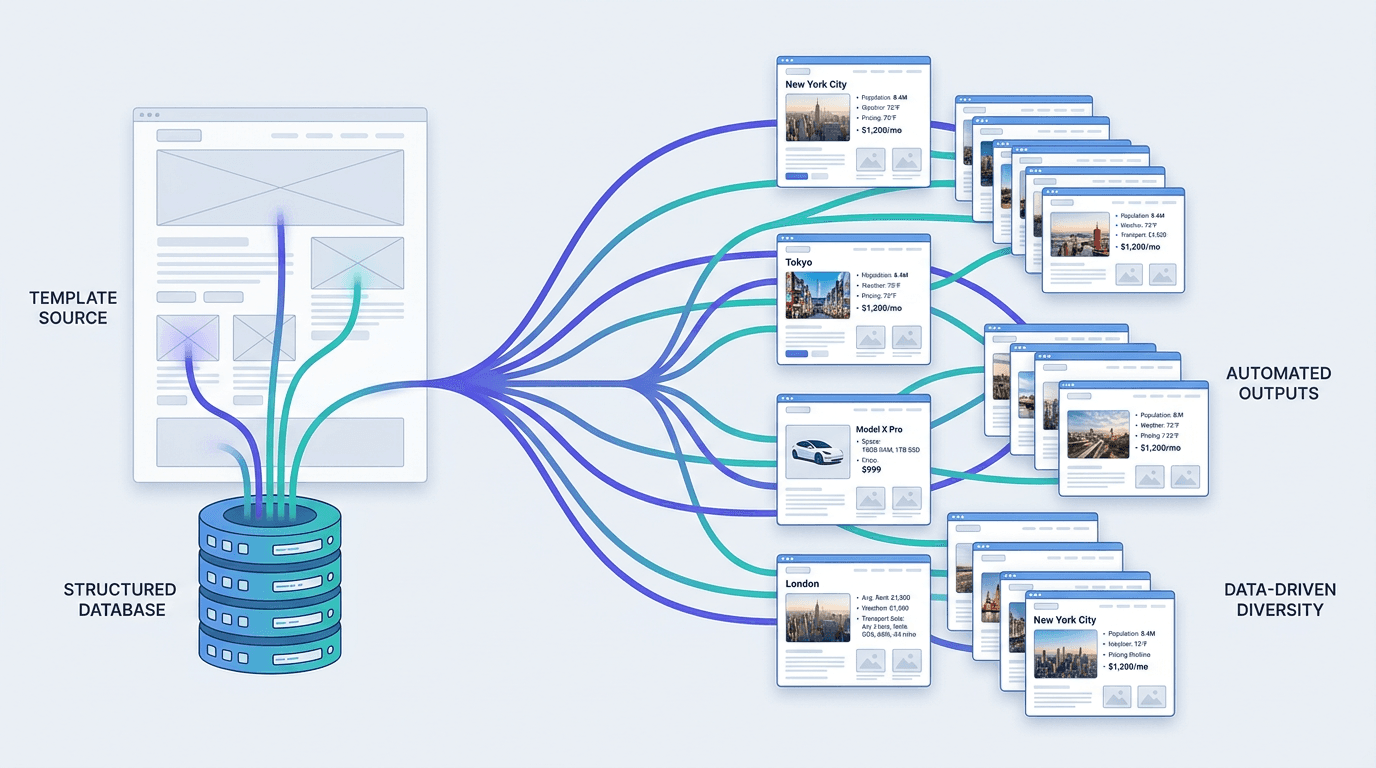
All of it boils down to how you utilize it. When used thoughtfully, it can be reliable for scaling top quality content. It can backfire if used carelessly. Next, we'll stroll you through how to develop programmatic SEO pages that really deliver value. Let's move on to the more useful part of this guide.
Programmatic content targets thousands of semantically comparable keywords (specifically keyword patterns)., with a head term combined with various location, intent, or item functions. You might begin with the head term "best dining establishments," and then include different locations as modifiers: Best dining establishments Finest dining establishments Best restaurants You can combine the head term with three modifiers to develop three unique long-tail keywords.
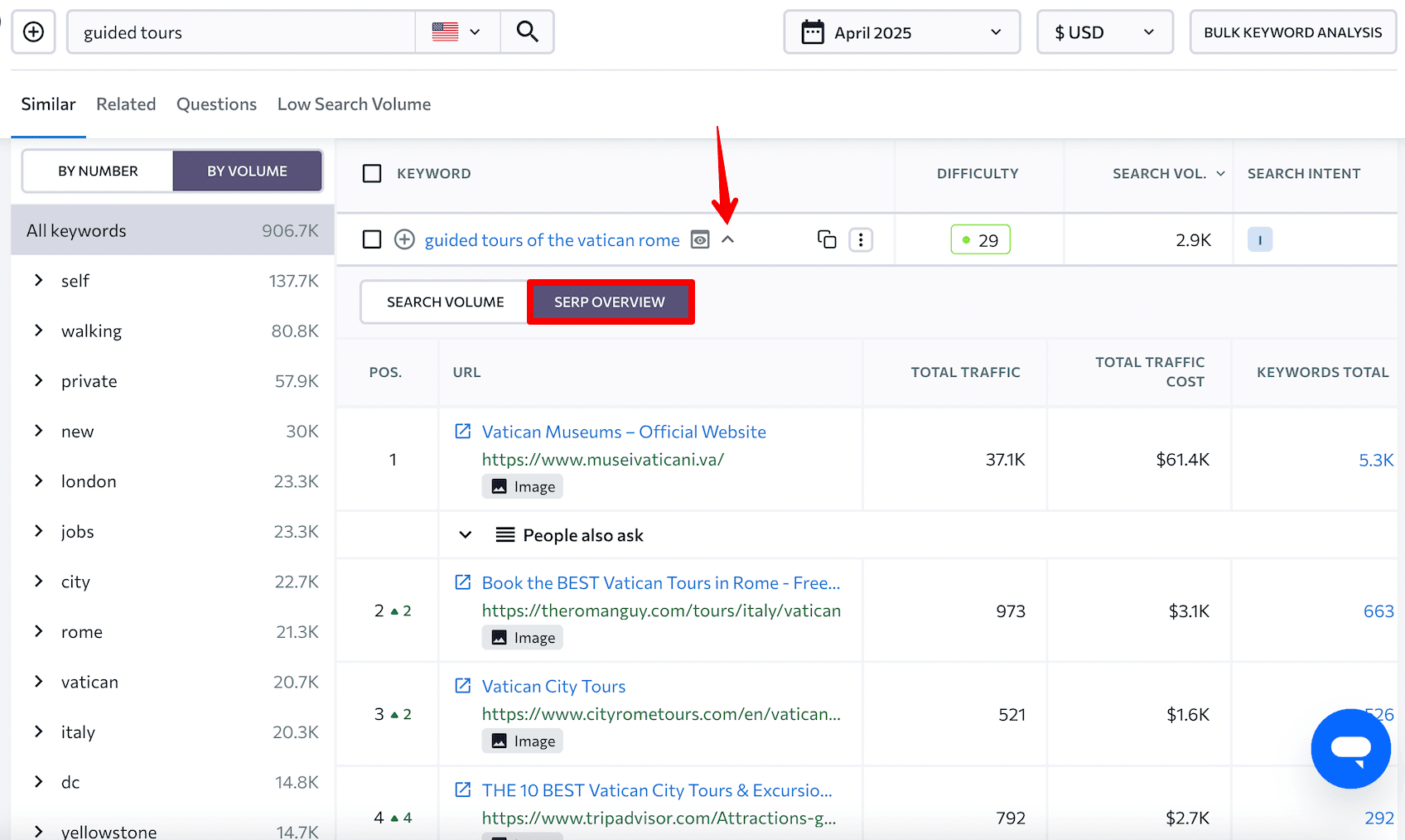
You can scale this nearly constantly by including more secondary modifiers, like "Finest restaurants in Kyiv pet-friendly", "Best restaurants in London for dates", "Best restaurants in New York with pizza", and so on. However to find out which modifiers drive traffic and pertain to your audience, you'll wish to utilize SE Ranking's Keyword Tip tool, which is perfect for finding keyword patterns.
Go to the area to see a list of long-tail keywords. Those are your keyword patterns.

Future-Proofing the AI-Driven Content Templates for 2026
You can also run this kind of analysis by reviewing the main keyword table. Just focus on keywords with low difficulty and good search volume.
It forms not simply your keyword list, however the whole structure and material of your programmatic SEO pages. It's what the user is attempting to accomplish: (Transactional) (Informational) (Navigational) (Commercial) Creating efficient content means knowing precisely what users anticipate to see.
It likewise helps you develop smarter, more targeted templates. If users looking for "best laptops for trainees" want specs, cost comparisons, and pros & cons, your design template must consist of all of it. If the query is location-based, include maps or regional information. If it's product-focused, consist of filters or CTAs. Browse intent + keyword insights = blueprint for scalable, beneficial material.

Latest Posts
AI-Driven Blog Generation: Growing Search Traffic Effortlessly
Optimizing Advanced Programmatic Page Frameworks
How to Optimize Ecommerce Performance in the Future